
Common Misconceptions About Eco-Friendly Cleaning Debunked
V-
Understanding Eco-Friendly Cleaning Products
Eco-friendly cleaning products are increasingly popular, but misconceptions about their efficacy and environmental impact persist. Many people believe that natural cleaning solutions are less effective than traditional cleaners, but this is far from the truth. Eco-friendly products often contain powerful natural ingredients like vinegar, baking soda, and essential oils, which can effectively tackle dirt and grime.
Another common myth is that eco-friendly products are always more expensive. While some green brands may have a higher price point, many affordable options exist. In fact, making your own cleaning solutions using household items can be both budget-friendly and sustainable.

Misconceptions About Safety
A prevailing belief is that all eco-friendly products are completely safe for humans and pets. While these products typically contain fewer harmful chemicals, it's important to remember that they are still cleaning agents. Users should always follow the instructions and keep them out of reach of children and pets. Additionally, some people might have allergies to certain natural ingredients like essential oils.
It's also crucial to understand that not all products labeled as "eco-friendly" meet the same standards. Look for certifications from reputable organizations that ensure the product meets strict environmental criteria.
Debunking Efficacy Myths
Another misconception is that eco-friendly cleaning products can't handle tough stains or bacteria as effectively as chemical cleaners. In reality, many natural ingredients have antibacterial properties. For instance, tea tree oil is known for its antimicrobial effects, making it a powerful addition to any cleaning arsenal.
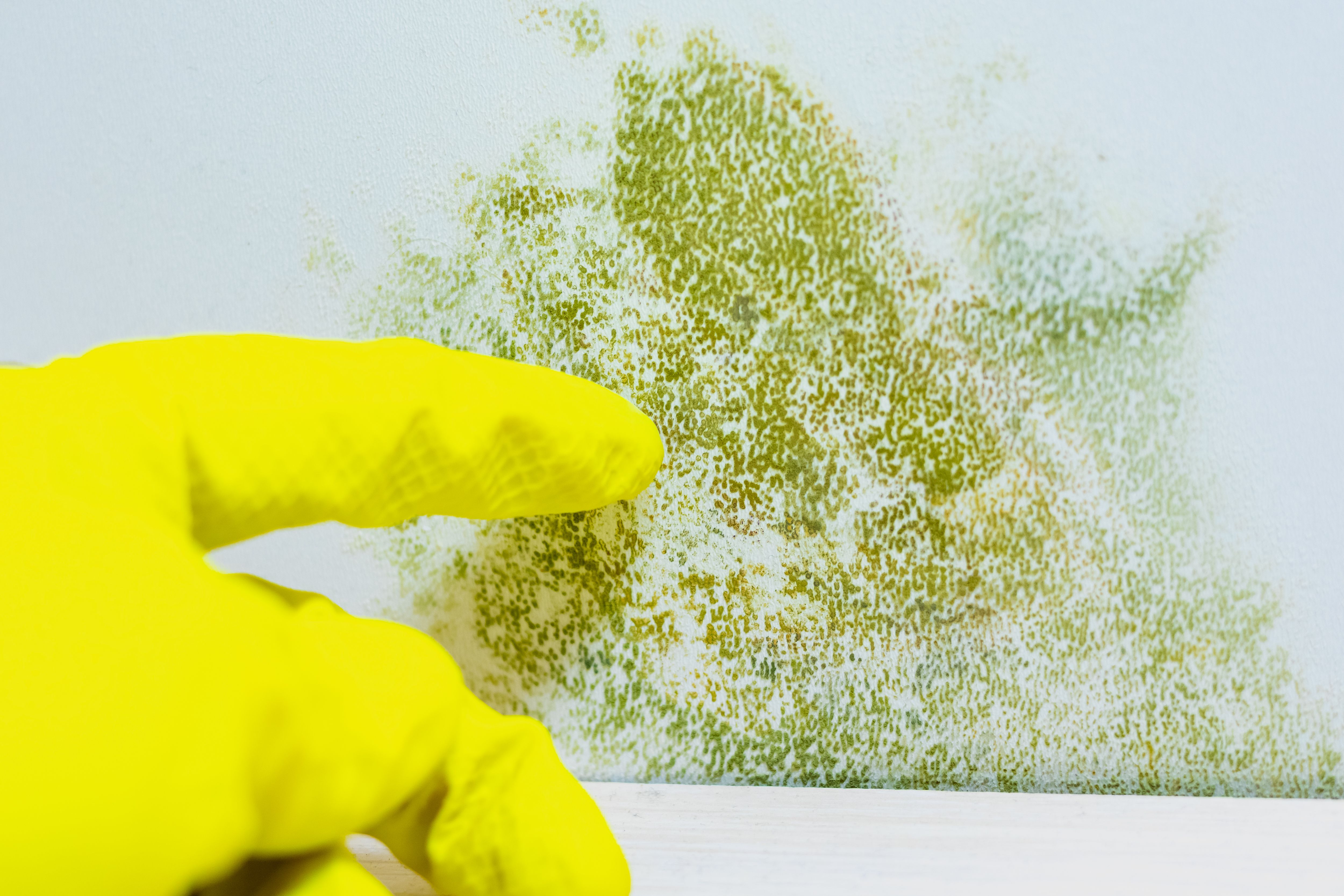
Moreover, many eco-friendly brands have developed innovative formulas that rival or even surpass traditional cleaners in performance. It's important to try different products to find what works best for specific cleaning tasks.
Environmental Impact Clarifications
There's a notion that switching to eco-friendly products is simply a marketing trend with no real environmental benefit. However, conventional cleaning agents can release volatile organic compounds (VOCs) into the air, contributing to indoor air pollution and environmental harm. Eco-friendly products aim to reduce this impact by using biodegradable ingredients and sustainable packaging.
Consumers can make a significant environmental contribution by choosing products with minimal packaging or those made from recycled materials. It's also beneficial to support companies committed to reducing their carbon footprint.
The Truth About DIY Cleaning Solutions
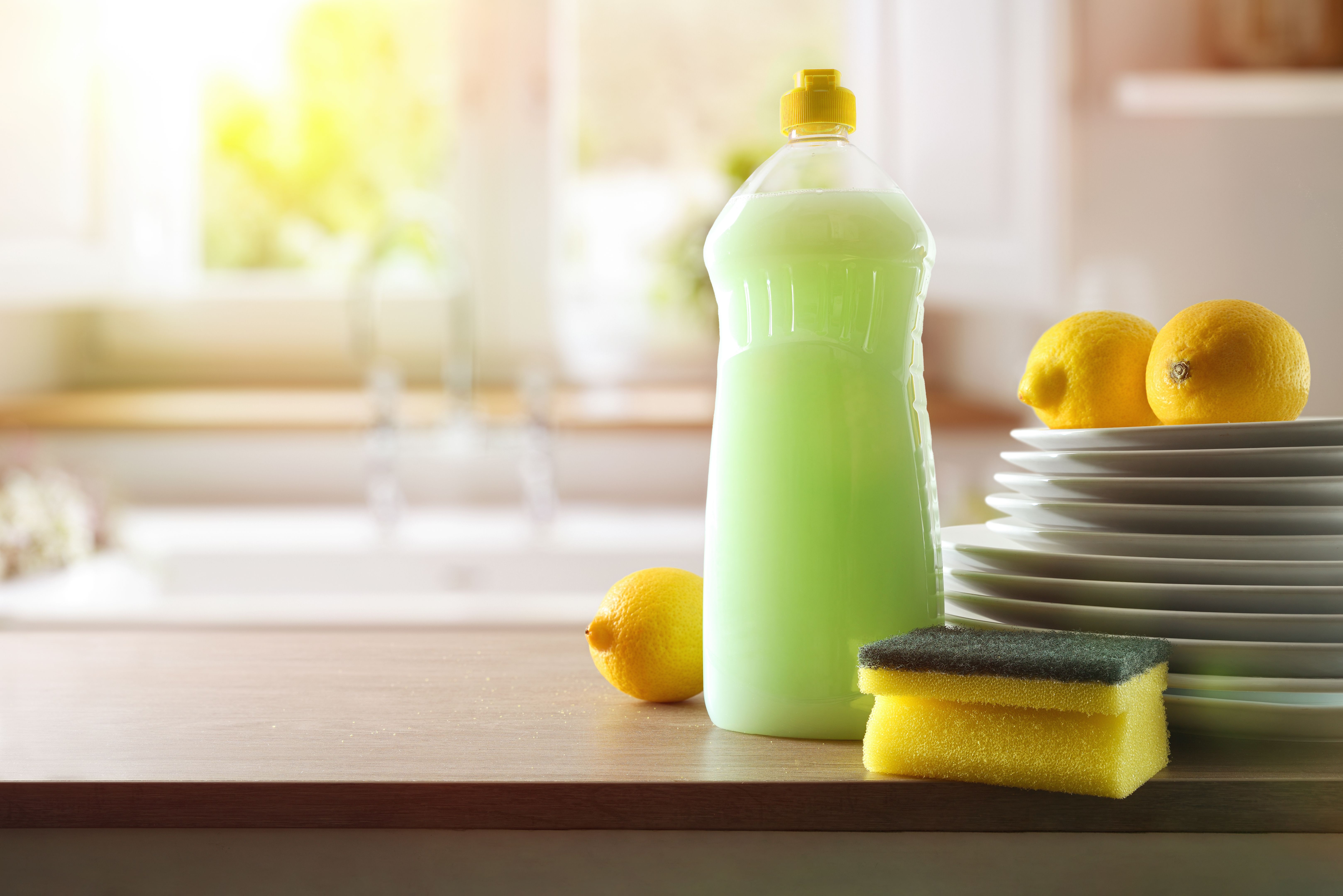
Some people believe that DIY cleaning solutions are ineffective compared to store-bought products. In fact, homemade cleaners can be just as effective when used correctly. Common household items like vinegar and baking soda can tackle a variety of cleaning tasks, from deodorizing carpets to removing stains from surfaces.
While DIY solutions are a great option for many, it's important to research recipes and test them on small areas first to ensure they won't damage surfaces or cause adverse reactions.
In summary, eco-friendly cleaning products and practices offer effective, safe, and sustainable alternatives to conventional cleaners. By understanding and debunking these common misconceptions, consumers can make more informed decisions that benefit their homes and the environment.